

Photography Tips
- Details
- Category: Photography Tips

Photography is an art form that captures the beauty, chaos, and moments that pass us by in the blink of an eye. While the proliferation of smartphones has made photographers out of many of us, there's a marked difference between casual snapshots and the profound impact of a well-composed photograph. If you're an amateur photographer looking to enhance your skills, here are the first ten essentials to guide you on your journey.
1. Understanding Your Equipment
Every camera, from DSLRs to smartphones, has unique capabilities. Dedicating time to explore your device helps harness its potential. Grasp the functions of each button and menu. Experiment with built-in presets. The lens choice can significantly influence an image's outcome; familiarize yourself with terms like 'prime' and 'zoom'. For example, a prime lens offers a fixed focal length and often superior sharpness. On the other hand, a zoom lens brings versatility, allowing framing flexibility from various distances.
Example: Consider the difference between a prime lens and a zoom lens. While a prime lens has a fixed focal length, offering sharper images, a zoom lens provides versatility in composing shots from varying distances.
2. Mastering the Exposure Triangle
The exposure triangle is photography's cornerstone, balancing ISO, aperture, and shutter speed. These elements dictate how light is captured. The ISO refers to the camera sensor's sensitivity to light. A higher ISO captures more light but might introduce noise. The aperture controls how much light enters the lens, affecting depth of field. For instance, a wide aperture (e.g., f/1.8) allows more light but reduces the in-focus area. Meanwhile, shutter speed determines how long the sensor is exposed to light. Faster speeds can freeze motion, while slower ones might introduce intentional blur for creative effects.
Example: A fast shutter speed (e.g., 1/1000) can freeze the motion of a sprinting athlete, while a slow speed (e.g., 1/30) might blur the same action, conveying a sense of speed.
3. Composition and the Rule of Thirds
A photograph's composition guides the viewer's gaze. One foundational principle is the Rule of Thirds. Imagine breaking an image into nine segments with two horizontal and two vertical lines. Placing subjects at these intersections or along these lines often yields balanced compositions. It’s not a strict rule but a guiding principle. For instance, during a seaside sunset, aligning the horizon with the bottom third can emphasize the sky's drama, enhancing the photograph's visual appeal.
Example: Imagine photographing a sunset at the beach. Instead of centering the horizon, align it with the bottom third, allowing the dramatic sky to dominate the frame.
4. Exploring Different Perspectives
Every subject offers numerous angles, and each perspective tells a distinct story. Regularly shooting at eye level might seem repetitive. Diversifying angles—shooting from above, below, or even diagonally—can breathe life into pictures. For example, photographing a child from their eye level captures their world, making the scene more intimate. Conversely, an elevated shot of a bustling marketplace might provide a comprehensive view, showcasing its vibrancy.
Example: A portrait taken from a slightly elevated angle can be more flattering, making the subject's eyes the focal point and diminishing any double chin concerns.
5. Learning Depth of Field
Depth of field (DoF) determines which parts of an image remain sharp. A shallow DoF highlights a subject while blurring the background, creating a sense of depth. Conversely, a broad DoF ensures everything, from foreground to background, remains in focus. This is majorly controlled by the aperture. For instance, a portrait might benefit from a wide aperture (like f/1.8), isolating the subject. In contrast, for landscapes, a narrower aperture (like f/16) could keep both the nearby flowers and distant mountains sharp.
Example: For portrait photography, using a wide aperture (e.g., f/1.8) can blur the background, making the subject pop. In contrast, a landscape shot might use f/16 to ensure clarity from near to far objects.
6. Natural Light vs. Artificial Light
Lighting is arguably photography's most crucial element. Natural light, offered by the sun, changes throughout the day. Early morning and late afternoon, often termed the 'Golden Hour', provide soft, golden-toned illumination. Midday sun, however, can be harsh, creating strong shadows. Conversely, artificial light—like flashes or studio setups—offers consistent, controllable lighting. For instance, while natural light might give a portrait an organic feel, studio lights can be manipulated to cast shadows, highlighting or concealing features as needed.
Example: Golden Hour—the time just after sunrise and before sunset—offers soft, warm light ideal for portraits. In contrast, a studio setup with flash allows precise control over lighting angles and intensity.
7. Post-Processing Basics
Even the most perfectly captured shots can benefit from post-processing. Editing tools like Adobe Lightroom or Photoshop offer myriad adjustments. These range from basic tweaks, like exposure or contrast adjustments, to intricate edits, like object removal or composite creations. For example, a landscape shot, seemingly dull straight out of the camera, might transform dramatically by increasing its saturation, brightening shadows, or enhancing certain colors.
Example: A landscape shot might seem dull straight from the camera. However, boosting its saturation slightly and enhancing the shadows can bring out hidden details and colors.
8. Understanding White Balance
Every light source has a color temperature, which can influence how colors appear in photographs. White balance adjusts these color casts, ensuring a natural appearance. Different settings cater to varied light sources. For example, indoor shots under tungsten bulbs often render images yellowish. Adjusting white balance to the 'tungsten' setting neutralizes this, producing whites that appear genuinely white.
Example: Indoor lighting often gives a yellowish tint. Adjusting the white balance to a 'tungsten' or 'incandescent' setting can neutralize this, making whites appear truly white.
9. Practice, Practice, Practice
Photography, like any art, thrives on practice. Challenging oneself regularly, experimenting with diverse subjects or conditions, accelerates growth. Set mini-projects or themes for yourself. One day, focus solely on black and white imagery. Another day, work only with moving subjects. Such deliberate practice not only refines skills but also helps in discovering one's unique style.
Example: Dedicate a day to only black and white photography, emphasizing textures and contrasts. Another day, try capturing motion, playing with shutter speeds.
10. Receiving and Giving Feedback
Constructive feedback acts as a mirror, reflecting both strengths and areas of improvement. Joining photography communities or forums fosters learning. Listening to others' critiques on your work provides fresh perspectives. Similarly, analyzing and critiquing peers' works refines your analytical skills. For instance, a fellow photographer might point out a distracting element in the background you hadn't noticed, refining your observational skills for future sessions.
Example: After sharing a portrait in an online community, you might receive feedback about an overlooked distracting background element. This can teach you to be more observant in future sessions.
In Conclusion
Embarking on the journey of photography is a blend of technical understanding and creative expression. While tools and techniques are essential, the heart of photography lies in how you see the world and how you choose to capture and share it. Embrace both the science and the art, and you'll find yourself evolving from an amateur photographer to a seasoned storyteller. By focusing on these ten pillars, you lay a robust foundation, ensuring continuous growth and evolution in your photographic endeavors.
- Details
- Category: Photography Tips
In the ever-evolving world of photography, staying ahead of the curve often means embracing the latest technology. Canon Incorporated, a renowned name in the world of photography, has recently introduced a new line of mirrorless professional cameras that are turning heads and capturing the imaginations of photography professionals worldwide. As these cutting-edge mirrorless cameras gain traction, a remarkable trend is emerging – photography professionals are parting with their older non-mirrorless counterparts at incredible prices. This presents an exciting opportunity for photographers who are keen on acquiring high-quality professional cameras at bargain rates. In this article, we'll delve into this trend, explore the reasons behind it, and provide numerous examples to help you seize this golden opportunity.
The Rise of Canon's Mirrorless Professional Cameras
Canon's foray into the mirrorless camera market has been nothing short of a game-changer. Their new line of mirrorless professional cameras boasts a range of features and capabilities that have earned them a place in the bags of many professional photographers. From stunning image quality to advanced autofocus systems, these cameras offer a host of benefits that make them irresistible to professionals seeking to elevate their craft.
Key Advantages of Canon's Mirrorless Professional Cameras
-
Compact Size: Mirrorless cameras are significantly smaller and lighter than their DSLR counterparts, making them more portable and comfortable to carry during long shoots.
-
Advanced Autofocus: Canon's mirrorless cameras often incorporate Dual Pixel CMOS AF technology, ensuring fast and accurate focus, particularly in live view and video recording modes.
-
Image Quality: With large sensors and powerful processors, these cameras produce images of exceptional quality, capturing intricate details and vibrant colors.
-
Electronic Viewfinders (EVFs): Many Canon mirrorless cameras are equipped with high-resolution EVFs, providing real-time previews and critical exposure information.
-
Compatibility with Lenses: Canon's mirrorless cameras are compatible with a wide range of lenses, offering photographers versatility in their creative endeavors.
The Unprecedented Bargain Opportunity
The introduction of Canon's mirrorless professional cameras has sparked a fascinating trend in the photography community. Professionals who have been using older non-mirrorless models, such as the EOS 5D Mark II and EOS 5D Mark III, are rapidly transitioning to the new mirrorless systems. This mass migration is driven by several factors:
1. Technological Advancements: Canon's mirrorless cameras offer significant technological advancements over older DSLRs. Features like improved autofocus, enhanced low-light performance, and 4K video recording are highly attractive to professionals.
2. Compactness and Portability: The smaller form factor of mirrorless cameras is particularly appealing to photographers who value mobility and convenience during shoots, especially when traveling or working in challenging environments.
3. Improved Workflow: Mirrorless cameras often come with features like Wi-Fi and Bluetooth connectivity, touchscreen controls, and silent shooting modes, all of which contribute to a smoother and more efficient workflow.
4. Adaptability: With the availability of adapters, professionals can use their existing DSLR lenses with Canon's mirrorless cameras, reducing the need for a complete overhaul of their lens collection.
5. Market Trends: As mirrorless cameras gain prominence, some professionals feel the need to stay current with industry trends and maintain a competitive edge.
All these factors combined have led to a surplus of older non-mirrorless professional cameras hitting the secondhand market. Photography professionals are parting with their trusted workhorses to make way for the new generation of mirrorless technology. This presents a unique opportunity for photographers looking to acquire high-quality cameras at budget-friendly prices.
A Closer Look at the Bargain Opportunities
Now that we've established the context, let's delve into the exciting world of bargain hunting for older non-mirrorless Canon professional cameras. We'll explore specific models, their key features, and why they remain excellent choices for photographers.
1. Canon EOS 5D Mark II
Key Features:
-
Full-Frame Sensor: The EOS 5D Mark II boasts a full-frame sensor, delivering outstanding image quality and excellent low-light performance.
-
21.1 Megapixels: This camera's resolution remains competitive, allowing for large prints and cropping flexibility.
-
Full HD Video: While not 4K, the camera offers Full HD video recording, making it a great choice for videographers on a budget.
-
Robust Build: The 5D Mark II's build quality and weather sealing ensure durability, even in challenging shooting conditions.
Why It's a Bargain: The EOS 5D Mark II, once considered a professional workhorse, can now be found at remarkably affordable prices due to its age. It's an ideal choice for photographers looking to step up to full-frame photography without breaking the bank.
2. Canon EOS 5D Mark III
Key Features:
-
Advanced Autofocus: The 5D Mark III features a 61-point autofocus system, offering precision and speed in capturing sharp images.
-
Full-Frame Excellence: Like its predecessor, it sports a full-frame sensor for exceptional image quality and dynamic range.
-
High ISO Performance: The camera handles low light admirably, making it suitable for various shooting scenarios.
-
Built-in HDR: HDR (High Dynamic Range) mode enables the creation of stunning, well-balanced images.
Why It's a Bargain: The EOS 5D Mark III continues to deliver outstanding performance and image quality. With the availability of more recent models, the prices of the Mark III have dropped significantly, making it an attractive option for photographers looking to upgrade without a hefty investment.
3. Canon EOS 7D Mark II
Key Features:
-
APS-C Sensor: While not full-frame, the APS-C sensor in the 7D Mark II offers excellent image quality and a 1.6x crop factor, advantageous for wildlife and sports photography.
-
10 FPS Continuous Shooting: This camera is a speed demon, making it ideal for action photography.
-
Dual Pixel Autofocus: The camera incorporates Dual Pixel technology, providing fast and accurate autofocus for both photos and videos.
-
Durable Build: The 7D Mark II's rugged build and weather sealing make it a robust choice for outdoor photography.
Why It's a Bargain: The EOS 7D Mark II is a versatile camera that is now available at compelling prices. Its combination of speed, autofocus capabilities, and build quality makes it a steal for photographers focused on action or wildlife photography.
4. Canon EOS 6D
Key Features:
-
Full-Frame Entry: The EOS 6D is Canon's entry into the full-frame world, offering a more affordable way to experience the benefits of a larger sensor.
-
GPS and Wi-Fi: Built-in GPS for geotagging and Wi-Fi for easy sharing and remote control make this camera feature-rich.
-
Great Low-Light Performance: The 6D performs exceptionally well in low light, making it a reliable choice for night photography.
-
Lightweight Design: Its compact and lightweight design is suitable for travel and on-the-go photography.
Why It's a Bargain: As newer full-frame mirrorless models gain popularity, the EOS 6D has become a cost-effective entry point into full-frame photography. It's perfect for photographers looking to make the leap from crop sensor to full frame without a significant investment.
Tips for Buying Secondhand Professional Cameras
While these older non-mirrorless Canon professional cameras offer incredible value, it's essential to approach secondhand purchases with care. Here are some tips to ensure you get the most out of your investment:
-
Check Shutter Count: The shutter count indicates how many photos the camera has taken. A lower count generally means less wear and tear. Many cameras record this information in their settings.
-
Inspect for Wear: Physically inspect the camera for signs of wear, such as scuffs, scratches, or damaged ports. Be particularly mindful of the sensor's cleanliness.
-
Ask About Usage: If buying from an individual, ask about the camera's history, including how often it was used and whether it has been serviced or repaired.
-
Test It Out: Whenever possible, test the camera before purchasing. Check for any issues with autofocus, exposure, or image quality.
-
Evaluate Included Accessories: Consider what accessories are included with the camera, such as lenses, batteries, chargers, and memory cards. These can add significant value to your purchase.
-
Research Market Prices: Compare prices across various sources, both online and offline, to ensure you're getting a fair deal.
-
Buy from Reputable Sellers: When purchasing from online marketplaces or secondhand camera stores, opt for reputable sellers with positive reviews and return policies.
-
Consider a Warranty: Some sellers may offer warranties or return policies. These can provide peace of mind in case any issues arise after your purchase.
In Conclusion
The emergence of Canon's mirrorless professional cameras has ignited a fascinating trend in the world of photography. Photography professionals, eager to embrace the latest technology, are parting with their older non-mirrorless models at bargain prices. This presents a golden opportunity for photographers looking to acquire high-quality professional cameras without breaking the bank.
From the iconic EOS 5D Mark II and Mark III to the versatile EOS 7D Mark II and the entry-level EOS 6D, a range of exceptional cameras is available at attractive prices. When navigating the secondhand market, remember to exercise due diligence, inspect the camera carefully, and research prices to ensure you make an informed purchase.
The world of photography is constantly evolving, but the value of a well-maintained and capable camera remains timeless. With the right approach, you can capture stunning images and unleash your creativity with these incredible bargains. So, whether you're an aspiring professional or a seasoned photographer, seize the opportunity to own a piece of photographic history and embark on new adventures in the world of visual storytelling. Happy hunting!
- Details
- Category: Photography Tips
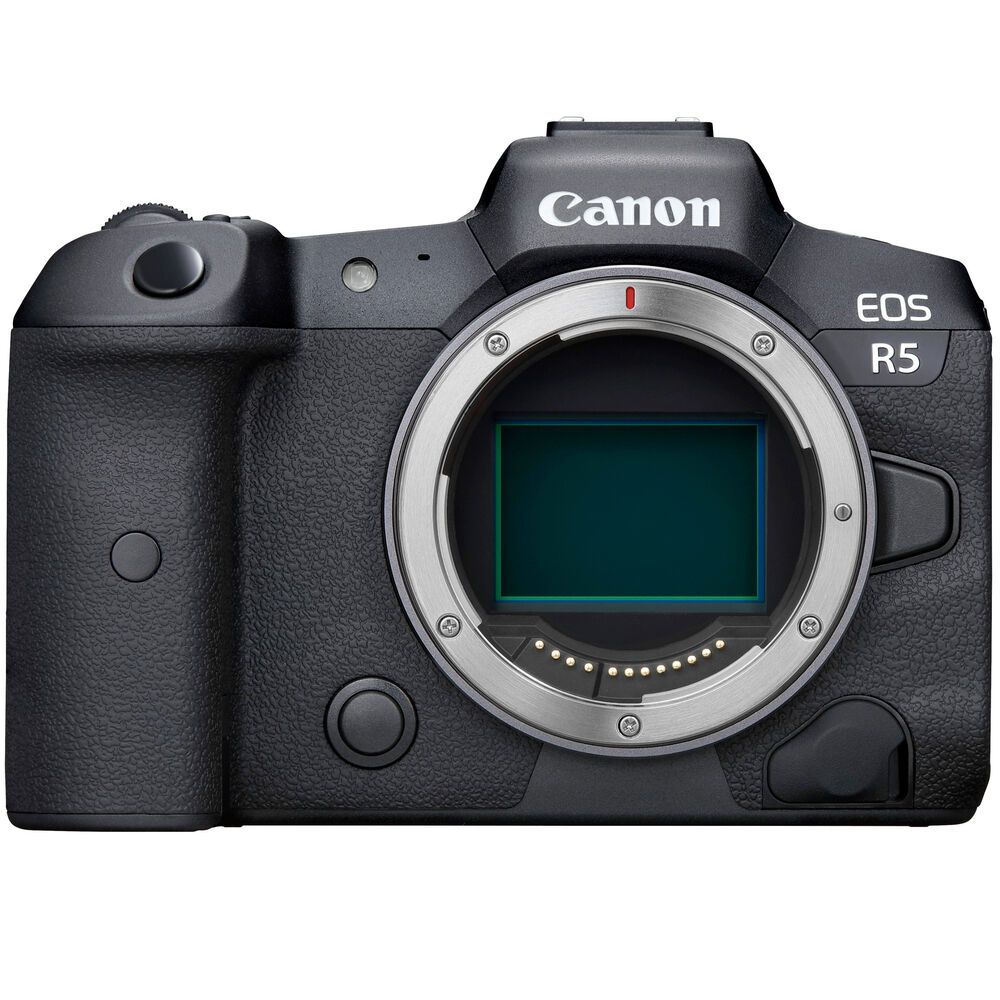
In recent years, mirrorless cameras have taken the photography world by storm, and Canon has been at the forefront of this revolution with its impressive lineup of mirrorless cameras. These compact and versatile cameras offer photographers a range of creative possibilities, from stunning image quality to advanced features that make capturing beautiful moments easier than ever before. In this comprehensive guide, we will delve into Canon mirrorless camera techniques, exploring the key features and techniques that can help you make the most of your Canon mirrorless camera.
Introduction
Mirrorless cameras have gained immense popularity among photographers of all levels, thanks to their compact size, impressive image quality, and innovative features. Canon, a trusted name in the world of photography, has made significant strides in the mirrorless camera market, offering a wide range of options for photographers.
Whether you're a seasoned professional or an enthusiastic beginner, this article will serve as a valuable resource for understanding and harnessing the power of Canon mirrorless cameras. We'll cover essential techniques that will help you elevate your photography game and capture stunning images.
Understanding Canon Mirrorless Cameras
Before diving into specific techniques, it's crucial to understand the basic components and features of Canon mirrorless cameras. Here are some key elements you should be familiar with:
1. Mirrorless vs. DSLR
The fundamental difference between mirrorless and DSLR cameras lies in the absence of a mirror mechanism in mirrorless cameras. This design allows for a more compact and lightweight body. Canon's mirrorless cameras often feature an electronic viewfinder (EVF) or a vari-angle LCD screen, which provides real-time previews of your shots.
2. Interchangeable Lenses
One of the major advantages of Canon mirrorless cameras is their compatibility with a wide range of lenses. Canon offers a diverse selection of lenses, from ultra-wide angles to telephoto zooms, providing photographers with the versatility to capture various subjects and scenes.
3. Autofocus Technology
Canon mirrorless cameras are known for their advanced autofocus capabilities. Many models incorporate Dual Pixel CMOS AF technology, ensuring fast and accurate focus, especially in live view and video recording modes.
4. Image Sensors
Canon mirrorless cameras come equipped with APS-C or full-frame sensors, which play a crucial role in determining image quality, low-light performance, and depth of field control. Full-frame sensors generally offer superior image quality and low-light performance but are bulkier and costlier.
5. Creative Shooting Modes
Canon mirrorless cameras feature a range of creative shooting modes, including aperture priority, shutter priority, and manual mode, giving you control over exposure settings. Additionally, there are scene modes and creative filters that can help you achieve unique and artistic effects.
Now that you have a basic understanding of Canon mirrorless cameras, let's explore some advanced techniques to help you make the most of these versatile devices.
Advanced Canon Mirrorless Camera Techniques
1. Mastering Manual Mode
While Canon mirrorless cameras offer various automatic shooting modes, mastering manual mode is essential for full creative control. In manual mode, you can adjust aperture, shutter speed, and ISO independently to achieve the desired exposure. Experiment with different combinations to understand their impact on your images.
2. Utilizing Custom Functions
Canon mirrorless cameras often come with custom function buttons that allow you to assign specific functions to them. Take advantage of these buttons to access frequently used settings quickly. For instance, you can assign one button to toggle between single and continuous autofocus modes or adjust exposure compensation.
3. Exploring Focus Stacking
Focus stacking is a powerful technique for achieving maximum depth of field. It involves taking multiple shots at different focus distances and combining them in post-processing. Canon mirrorless cameras, with their advanced autofocus systems, make this process more manageable by offering features like Focus Bracketing, which automatically captures a series of images at varying focus distances.
4. Leveraging In-Camera Image Stabilization
Many Canon mirrorless cameras are equipped with in-camera image stabilization (IS) systems. IS helps reduce the impact of camera shake, allowing you to shoot at slower shutter speeds without introducing blur. This feature is particularly valuable in low-light situations or when using telephoto lenses.
5. Using ND Filters for Long Exposures
To capture long exposure shots during the day, consider using neutral density (ND) filters. These filters reduce the amount of light entering the lens, enabling you to use longer shutter speeds without overexposing your image. Canon mirrorless cameras are compatible with a range of ND filters that can be attached to the lens.
6. Mastering Composition Techniques
Composition is a critical aspect of photography. Learn and apply composition techniques such as the rule of thirds, leading lines, framing, and symmetry to create visually compelling images. Canon mirrorless cameras often offer grid overlays in the viewfinder or LCD screen to assist with composition.
7. Exploiting Low-Light Capabilities
Canon's full-frame mirrorless cameras, like the EOS R series, excel in low-light photography. Use wide-aperture lenses and higher ISO settings to capture stunning images in challenging lighting conditions. Experiment with long exposures and night photography to push the boundaries of your creativity.
8. Shooting in RAW
While shooting in JPEG is convenient for quick sharing and minimal post-processing, shooting in RAW format provides you with more control over image editing. RAW files contain all the data captured by the sensor, allowing for more extensive adjustments to exposure, color, and sharpness during post-processing.
9. Maximizing the Electronic Viewfinder (EVF)
If your Canon mirrorless camera is equipped with an electronic viewfinder (EVF), make the most of it. The EVF provides a real-time preview of your shot, complete with exposure and white balance adjustments. This feature is particularly helpful for assessing exposure and composition in bright sunlight or challenging lighting conditions.
10. Experimenting with Lens Selection
Canon offers a vast selection of lenses for its mirrorless cameras. Experiment with different lenses to discover their unique characteristics and how they impact your photography. Wide-angle lenses are excellent for landscapes, while prime lenses with wide apertures can create beautiful background blur (bokeh) for portraits.
Advanced Canon Mirrorless Camera Features
In addition to the techniques mentioned above, Canon mirrorless cameras come with various advanced features that can enhance your photography experience. Let's explore some of these features:
1. Eye Detection Autofocus
Many Canon mirrorless cameras feature eye detection autofocus, which can identify and track a subject's eye for precise focusing, especially when capturing portraits. This feature ensures that your subject's eyes are in sharp focus, even when using wide apertures.
2. 4K Video Recording
Canon mirrorless cameras are not limited to still photography. They also excel in video recording. With 4K video recording capabilities and various frame rate options, you can capture cinematic-quality videos. Invest in quality microphones and stabilization equipment for professional-level video production.
3. Wireless Connectivity
Most Canon mirrorless cameras come with built-in Wi-Fi and Bluetooth connectivity. This allows you to transfer images to your smartphone or tablet for quick sharing on social media or remote camera control using Canon's dedicated mobile app.
4. Touchscreen Controls
Take advantage of the touchscreen controls on your Canon mirrorless camera. You can use the touchscreen to select focus points, navigate menus, and even capture images with a touch. It's a convenient feature for quick adjustments, especially when shooting from unconventional angles.
5. Silent Shooting
Silent shooting mode is a useful feature when you need to capture images discreetly, such as during weddings or wildlife photography. It reduces the noise generated by the camera's shutter, ensuring minimal disturbance to your subjects.
6. Multiple Exposure Mode
Canon mirrorless cameras often include a multiple exposure mode, allowing you to create artistic and surreal images by combining two or more shots in-camera. Experiment with this feature to unleash your creativity.
Post-Processing and Editing
No matter how skilled you are with your Canon mirrorless camera, post-processing and editing are integral parts of modern photography. Here are some post-processing tips to enhance your images:
1. Use Editing Software
Invest in photo editing software like Adobe Lightroom or Photoshop to fine-tune your images. These tools offer extensive controls for adjusting exposure, color balance, and sharpness.
2. Shoot in RAW
As mentioned earlier, shooting in RAW provides more flexibility during post-processing. RAW files contain a wealth of data that allows you to recover highlights, correct exposure, and adjust white balance without significant image degradation.
3. Experiment with Presets
Photo editing software often includes preset filters and adjustments that can streamline your editing process. Experiment with these presets to discover new looks and styles for your photos.
4. Retouching and Healing
Take advantage of retouching and healing tools to remove blemishes, distractions, or imperfections in your images. These tools are especially handy for portrait photography.
5. Learn about Color Grading
Color grading can significantly impact the mood and atmosphere of your photos. Study color theory and experiment with different color grading techniques to create visually stunning images.
Conclusion
Canon mirrorless cameras have undoubtedly transformed the way photographers capture and create images. Their compact size, advanced features, and exceptional image quality have made them a favorite among professionals and enthusiasts alike. By mastering the techniques and features discussed in this article, you can unlock the full potential of your Canon mirrorless camera and elevate your photography to new heights.
Remember that photography is an art form, and the best way to improve is through practice and experimentation. Don't be afraid to step out of your comfort zone, explore new techniques, and push the boundaries of your creativity. With dedication and a Canon mirrorless camera in hand, you're well-equipped to capture breathtaking moments and tell compelling visual stories. Happy shooting!
- Details
- Category: Photography Tips
 Nude photography, a discipline that celebrates the human form in its most raw and authentic state, has always been a compelling domain within the larger realm of photography. While the essence of photography remains consistent across genres, the art of capturing the unclothed human body brings with it unique challenges and requirements. It's a blend of technical mastery, artistic intuition, profound interpersonal sensitivity, a grounding in legalities, and an ongoing commitment to learning.
The first, and perhaps most fundamental facet of professional nude photography, is technical expertise. The illumination of the human body, with its varied textures, contours, and tones, is a nuanced affair. Lighting, when done right, has the power to evoke emotions, highlight details, and weave a narrative without words. Soft lighting, for instance, can trace the gentle undulations of the body, creating a serene ambiance. In contrast, starker lighting can cast shadows that reveal or hide specific details, adding drama and depth to the photograph. Each choice communicates a message, and understanding this language of light is essential.
Alongside lighting, the selection of equipment, especially the choice of lens, plays a pivotal role in how the body is represented. While a wide-angle lens might offer expansive coverage, it could distort the body if used in close quarters. On the other hand, a portrait lens, with its focal length, might present the body in a manner that's more proportionate and pleasing to the eye. But the technicalities don't end once the shutter closes. Post-processing, the digital darkroom of today's photographers, is where the captured image can be refined. However, when working with nudes, retouching demands a deft hand. Over-editing can rob the skin of its natural texture and tone, while too little might not do justice to the model or the envisioned concept.
Yet, technicalities are just one side of the coin. The artistic sensibilities of the photographer come into play long before the camera is even in hand. The composition, the arrangement of the body within the frame, dictates the narrative of the photograph. The curves, lines, and shapes of the human form are elements to play with, and recognizing compelling configurations becomes second nature to the seasoned nude photographer. This artistic vision is often enriched by an understanding of art history. Classical artworks, sculptures, and earlier photographic works provide a treasure trove of inspiration. Drawing parallels with or deliberately juxtaposing against such established depictions can add layers of depth to the image.
However, when the subject is a living, breathing individual, there's more at stake than just art and technique. The interpersonal dynamics between the photographer and the model hold immense significance. Open channels of communication ensure that both parties are aligned in their vision. It's not just about directing the model; it's about collaboration, understanding their comfort zones, and sometimes even drawing inspiration from their spontaneity. With the intimate nature of nude photography, the importance of boundaries and consent cannot be overstated. Whether it's the poses, the extent of nudity, or the eventual use of the images, clear, written agreements protect both the photographer and the model. These agreements and understandings also foster a sense of trust, making the model feel secure, respected, and valued. This trust is further cemented by ensuring the physical comfort and safety of the model. Be it adjusting the room temperature, offering robes for breaks, or ensuring a safe environment free from unwarranted onlookers, every detail counts.
Beyond the shoot itself, the realm of professional nude photography is intertwined with legal and business considerations. Model releases, contractual documents that outline the intended use of the images, are essential. They protect the rights and interests of both the photographer and the model. Furthermore, storing these intimate images securely and ensuring they're shared or published only with mutual consent is not just ethical but also builds professional credibility. Different regions might have their own legal nuances around nude photography. Being well-versed with these laws, whether they pertain to public nudity for shoots or age restrictions for models, is crucial to avoid inadvertent legal complications.
Lastly, like all professions, nude photography isn't static. Cultural shifts, evolving societal norms, and technological advancements continually reshape its landscape. Being attuned to these changes and understanding cultural or personal sensitivities around nudity can guide a photographer's approach, preventing inadvertent misrepresentations or insensitivities. Committing to continuous learning, whether through workshops, courses, or interactions with peers, ensures that the photographer remains relevant and updated.
If you're thinking about delving deeper into nude photography, here are some foundational books and resources to consider:
Nude photography, with its rich history and depth, has been the subject of many foundational books that enthusiasts and professionals can delve into. Works such as "The Body Photographs of the Human Form" by William Ewing, and "Nude Photography The Art and the Craft" by Pascal Baetens provide a blend of history, technique, and artistry. For those more inclined towards digital resources, the Digital Photography School offers insightful tutorials and articles, while The Art of Photography, a YouTube channel hosted by Ted Forbes, presents a diverse range of photography topics, occasionally touching upon nude photography. Photography Life is another comprehensive website known for its detailed articles on niche photography subjects, including the nuances of capturing the human form.
Magazines and journals dedicated to the world of photography, such as "Aperture," "British Journal of Photography," and "PHOTO," are treasure troves of information. They often feature special editions or articles focused on nude photography, presenting both contemporary and historic perspectives. Beyond the realm of print and digital, many esteemed art museums, including the Getty Museum and the Museum of Modern Art (MoMA), house collections of nude photographs. The literature and notes accompanying these exhibitions can offer deeper insights into the genre. For hands-on learning and networking, various photography workshops specialize in nude photography. These sessions serve as platforms to not only hone the craft but also to engage with peers and discuss the intricacies and ethics of the genre. As always, it's essential to ensure that any resources chosen or cited approach nude photography with respect and genuine artistic appreciation.
In conclusion, the world of nude photography, while deeply rooted in celebrating the human form, is a complex tapestry of skill, art, sensitivity, and understanding. It's a discipline that demands more than just a keen eye; it requires a respectful heart, a knowledgeable mind, and an unwavering commitment to the craft.
- Details
- Category: Photography Tips
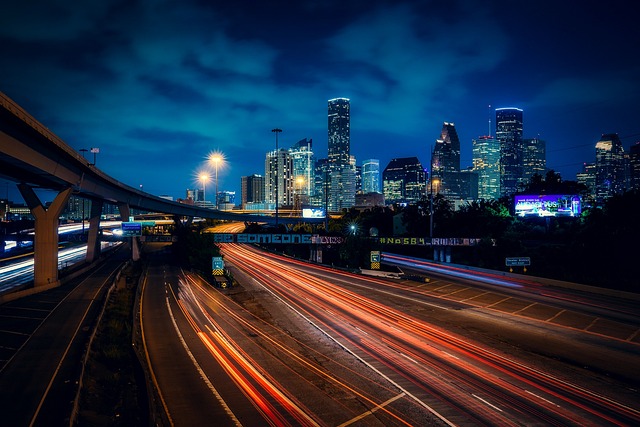
Long exposure photography stands as a testament to the blending of time and motion. Capturing static scenes with elements of movement over an extended period, this technique offers a unique perspective into the unseen rhythms of life. When engaged in long exposure photography, the camera's shutter is kept open for a prolonged period. This extended duration permits the capturing of any in-frame movement, manifesting often as a blur or a trail. The nuanced balance in this form of photography lies in distinguishing and controlling motion blur – the movement of subjects within the frame, while outright eliminating camera shake, which results from unintended movement of the camera itself during exposure.
Keep your Canon lenses spotless with this all-in-one kit — includes brush pen, air blower, and microfiber cloths.
👉 Check it out on Amazon
A collection of specific gear can enhance the experience and output of long exposure shots. A sturdy tripod is non-negotiable, as it offers the stability needed to combat both wind and ground vibrations. Neutral Density (ND) filters, which curtail the amount of light entering the lens, allow photographers to indulge in longer exposures, even under brighter conditions. Furthermore, a remote shutter release ensures that pressing the shutter doesn't introduce any camera shake. And, to prevent lens flare and interference from stray light, a lens hood can be invaluable.
When setting up for a shot, there are several considerations. Keeping the ISO low, preferably around ISO 100, ensures reduced noise in the resulting image. The aperture plays a dual role. A setting of f/8 to f/16 usually delivers a sharp image and extends the exposure time, depending on the depth of field you're aiming for. The true magic, of course, resides in the shutter speed. Starting from a mere second and stretching to several minutes, the possibilities are as varied as they are fascinating.
ND filters deserve special attention. Their strength, commonly denoted in 'stops', specifies the extent of light blockade. It's a game of mathematics; if a scene meters at 1/60th of a second without a filter, introducing a 3-stop ND filter would adjust the exposure to 1/8th of a second. A 10-stop ND filter allows only 1/1024th of the available light.
To further rid images of camera shake, techniques like using the Mirror Lock-Up feature in DSLRs, which raises the mirror prior to the exposure, come in handy. This reduces any vibration caused internally. In addition, weighting down the tripod can add an extra layer of stability. Some cameras also come equipped with a 'Long Exposure Noise Reduction' feature, designed to process and reduce noise immediately after the shot is taken.
Moving into advanced territory, there are methods such as the Bulb Mode, simply labeled as “B” on many cameras, is excellent for taking extremely long exposures, surpassing the camera's default settings by leaving the shutter open as long as the shutter release button is pressed. For those looking to capture the grandeur of the cosmos, star trails, which require exposures upwards of 30 minutes, can be fascinating. The Earth's rotation during this period causes stars to leave light trails, painting the sky with streaks of luminance. Techniques like light painting, where artificial light sources, like flashlights, are used to illuminate or "paint" specific sections of a scene, can also be employed. Time-blending, an innovative method involving blending multiple long exposures taken at different times in post-production, can yield dramatic results.
Post-processing is an arena where the photographer can further mold the image. Tools like Adobe Lightroom or DxO PhotoLab can assist in reducing any grain or noise that might have crept into the long exposure shot. Boosting the contrast in these images can heighten the visual distinction between the static and the moving elements. Additionally, for effects like star trails or pronounced cloud movement, stacking multiple images can provide a more vivid depiction of motion.
However, mastering long exposure is not without its challenges. Overexposure, or images being too bright, is a common obstacle. In such cases, opting for a stronger ND filter or tweaking the aperture can offer solutions. Conversely, underexposure can plague shots, especially during twilight or night. Lengthening the exposure time or choosing a brighter shooting window can alleviate this. Unintended light streaks from sources like passing vehicles can also disrupt a shot. Strategic positioning can mitigate such interferences.
In conclusion, long exposure photography, with its dreamy and ethereal charm, beautifully marries science and art. A profound understanding of equipment and technique lays the foundation upon which creativity can dance. As with any craft, the key lies in experimentation, practice, and relentless refinement.